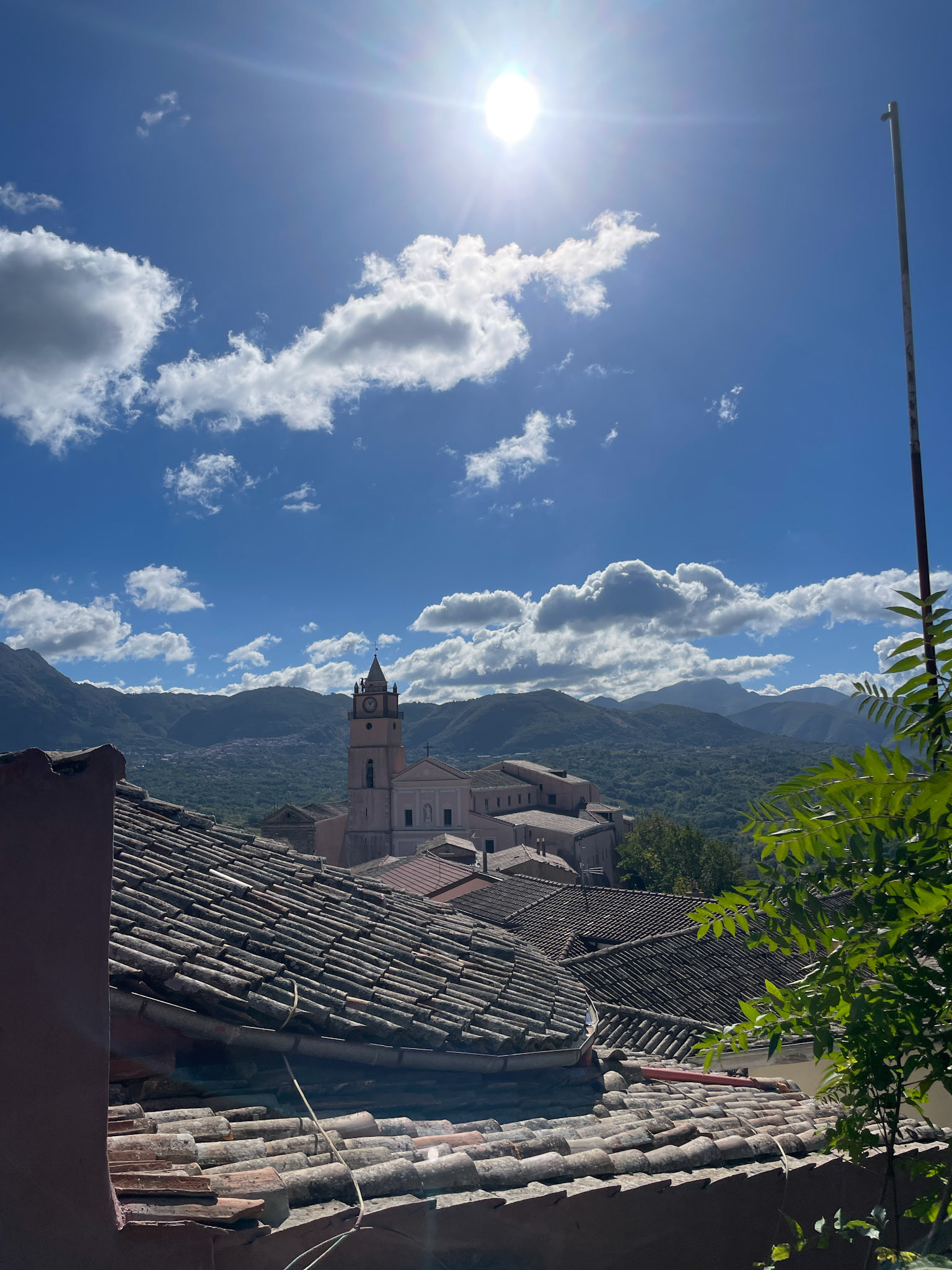
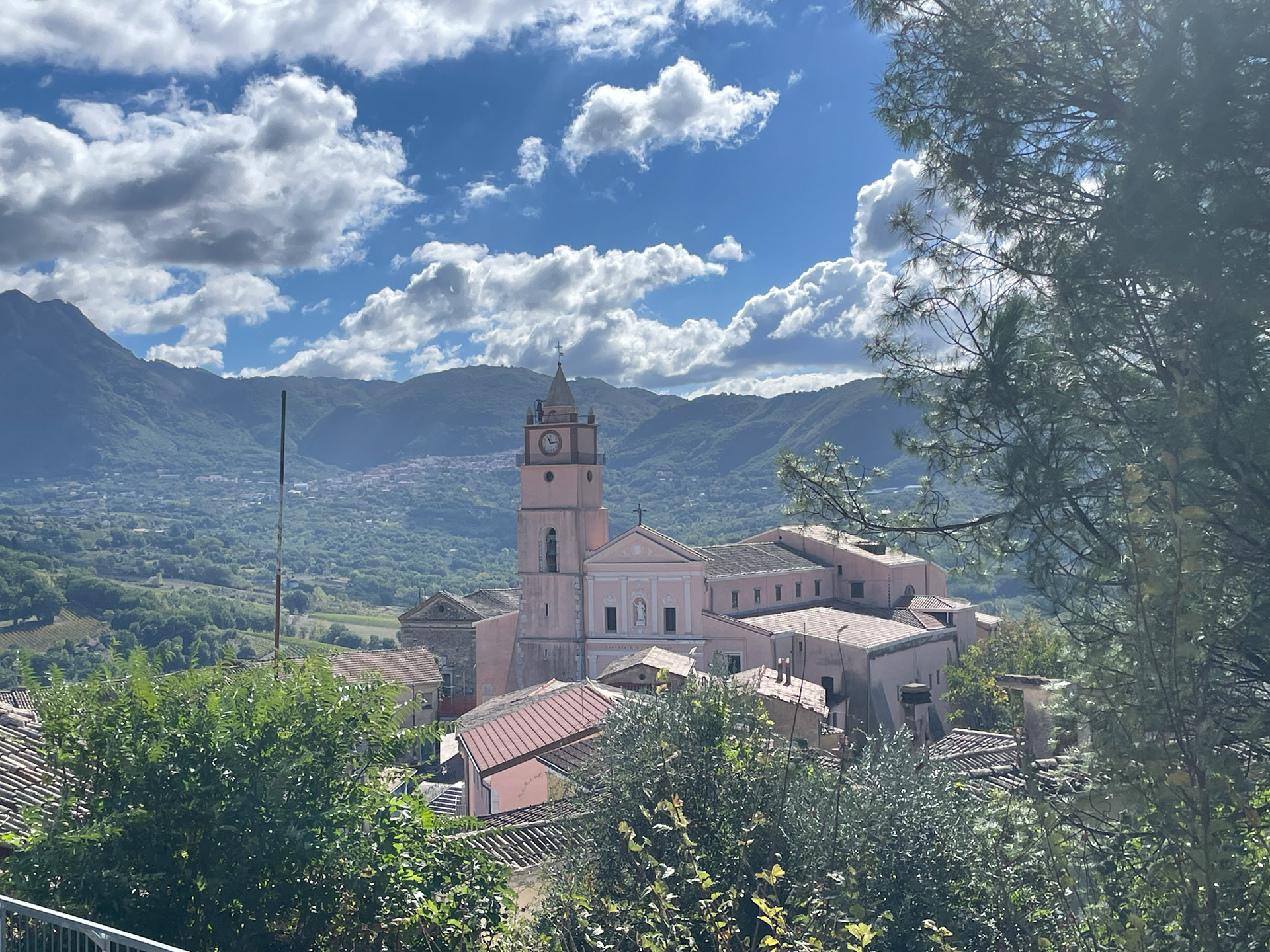
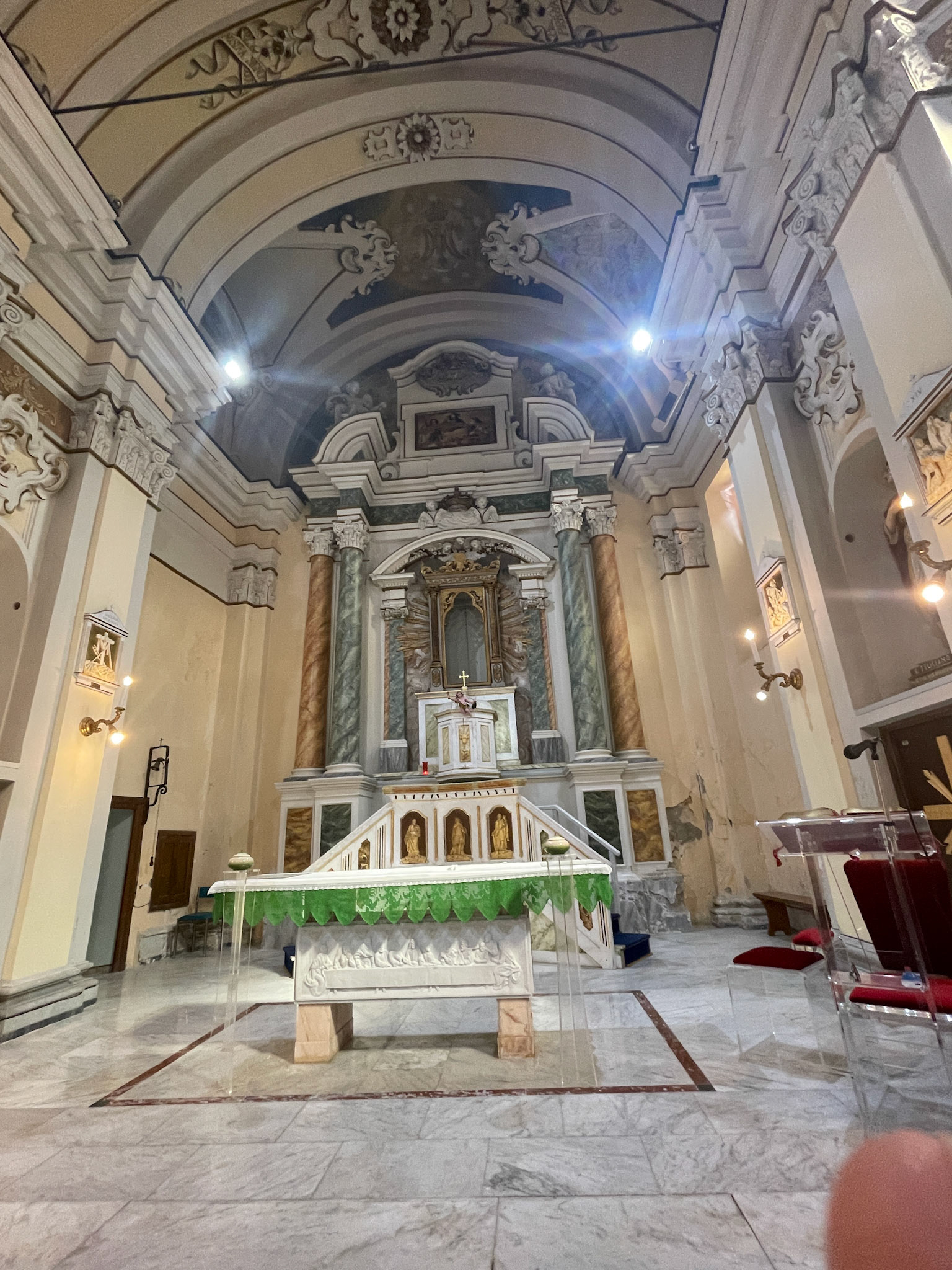
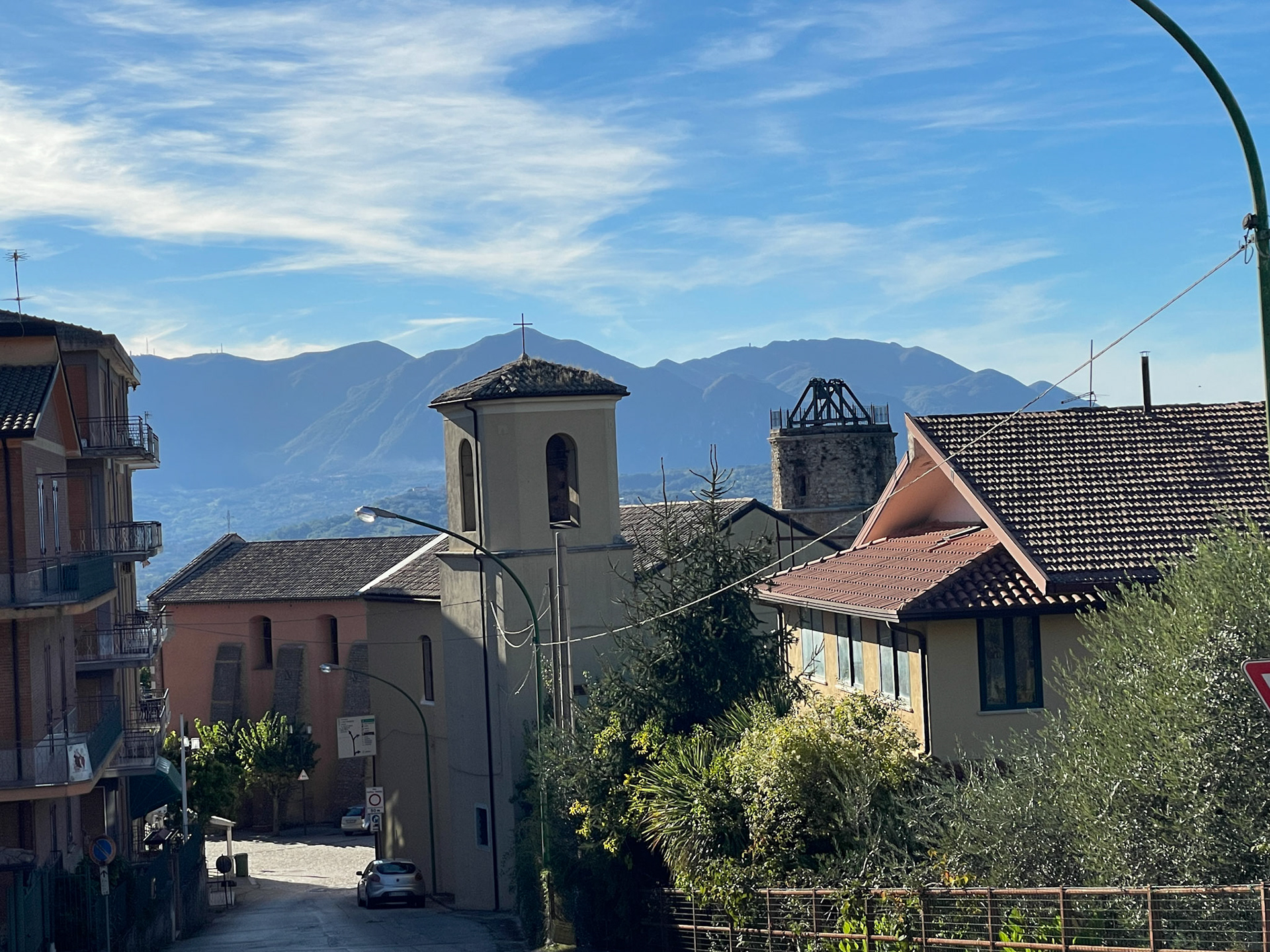
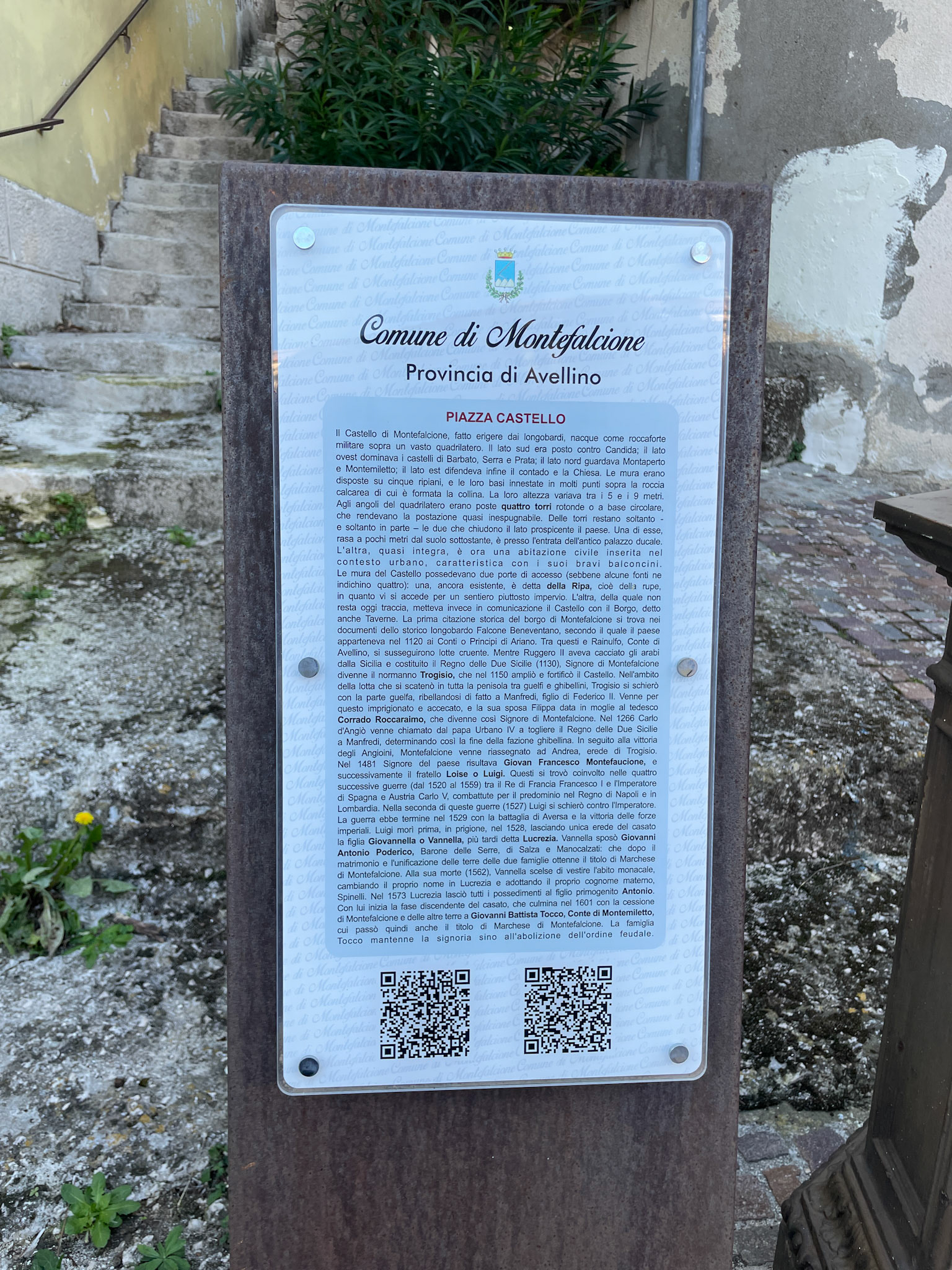
In 2013, Mike surprised me with a cruise from Barcelona to Naples, Rome, Marseille, Mallorca.... In Naples we were met by a husband/wife team who took us on a day driving tour up into the hills, up to Montefalcione. It was a complete surprise to me! Can you imagine!? We went up to see the town my great grandparents had left at the turn of the last century amid political unrest, pandemic, and and active volcano...
My great grandparents first lived in Mansfield where my great grandfather worked at a chocolate factory. They ultimately relocated to Roslindale where they established The Pleasant Cafe!
(If you Google or FB the Pleasant, make sure it's the Roslindale location! I see there is now a chain by the same name... just shocking! The Roslindale location has been featured in movies: The Holdovers (2023) and scenes for Boston Strangler (2023) and the Whitney Houston biopic I Wanna Dance with Somebody (2022).)
Mike and I returned last year. You can see pix from that trip here.
My cousin Paul organized this trip.... and had been posting about it on FB. Since I'm not on FB to get a text saying it was happening in a month was a complete shock. A very happy surprise!
Montefalcione and Boston: A Brief Timeline
Early 1900s: Immigrants from Montefalcione settle in Boston’s North End, bringing family ties, traditions, and devotion to Sant’Antonio di Padova. stanthonysfeast.com
January 15, 1919: Ten-year-old Pasquale Iantosca is among the 21 people killed in Boston’s Great Molasses Flood. www.boston.com
1919: Montefalcione immigrants establish St. Anthony’s Society and Feast, recreating their hometown celebration in Boston. stanthonysfeast.com
1927–1937: My Iantosca great-grandparents had a market which moved to Roslindale (1933) and became the Pleasant Cafe, operated by my grandpa and his three brothers, in 1937. www.bostonpreservation.org
1928: Donations from emigrants in America help restore Montefalcione’s San Giovanni Battista, sustaining ties with their hometown. halleyweb.com
1979: The Iantosca family sells Pleasant Cafe to the Morgan and Lynch families, who continue its neighborhood traditions. boston.eater.com
2019: Boston celebrates the 100th anniversary of St. Anthony’s Feast, honoring generations of Montefalcione heritage. thebostonpilot.com
Today, in Boston: Held on the weekend of the last Sunday in August, St. Anthony’s Feast keeps the connection alive through religious processions, music, food, and community celebration. stanthonysfeast.com
Today, in Montefalcione: Montefalcione’s patronal feast: Celebrations culminate on the last Sunday in August for Sant’Antonio, followed by Santa Lucia on Monday. Featuring processions, music, and returning emigrant families, the feast is especially renowned in Italy for its spectacular fireworks competition, which attracts enthusiasts from across the country.
Montefalcione: A Brief Architecture Timeline
Middle Ages: Lombard and Norman settlement shapes the hilltop village around its castle. Its medieval footprint survives in narrow streets, gateways, a Norman tower, and the Romanesque origins of the Mother Church.
1100s: Porta della Ripa: Also called Porta Ripa, the arched gateway survives from the medieval town walls. It stands near the upper end of today’s Stations of the Cross path.
1500s: Renaissance: The Santa Maria di Loreto church and monastery complex includes a cloister with a stone well; part now houses municipal offices. San Giovanni Battista also dates to this century, acquiring its present name in 1680.
Late 1600s: Thirteen family chapels with burial places are added to the Mother Church.
1751: A major renovation of Santa Maria di Loreto includes its marble entrance portal.
1928: Donations from emigrants in America help restore San Giovanni Battista, including rebuilding its bell tower.
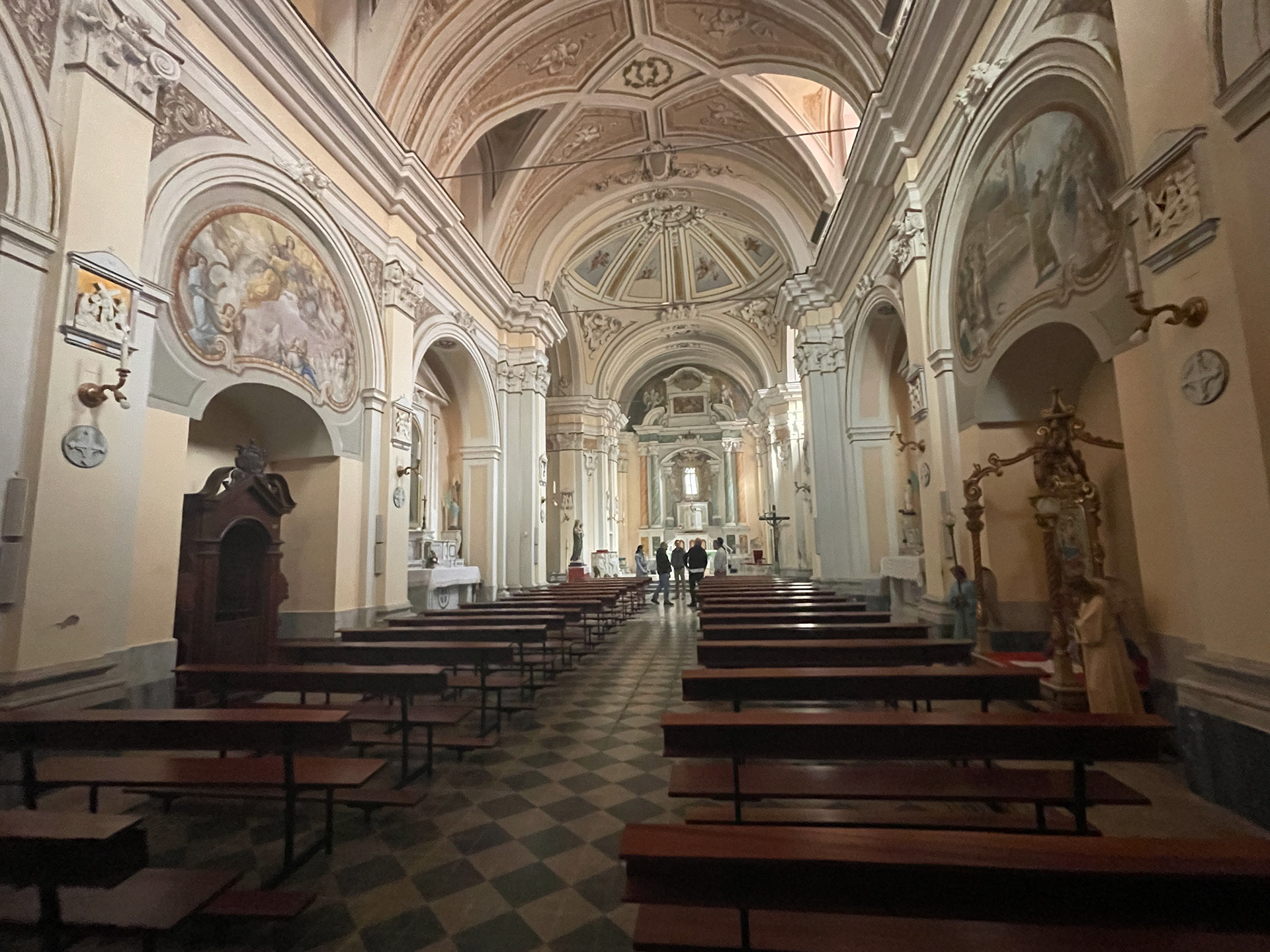
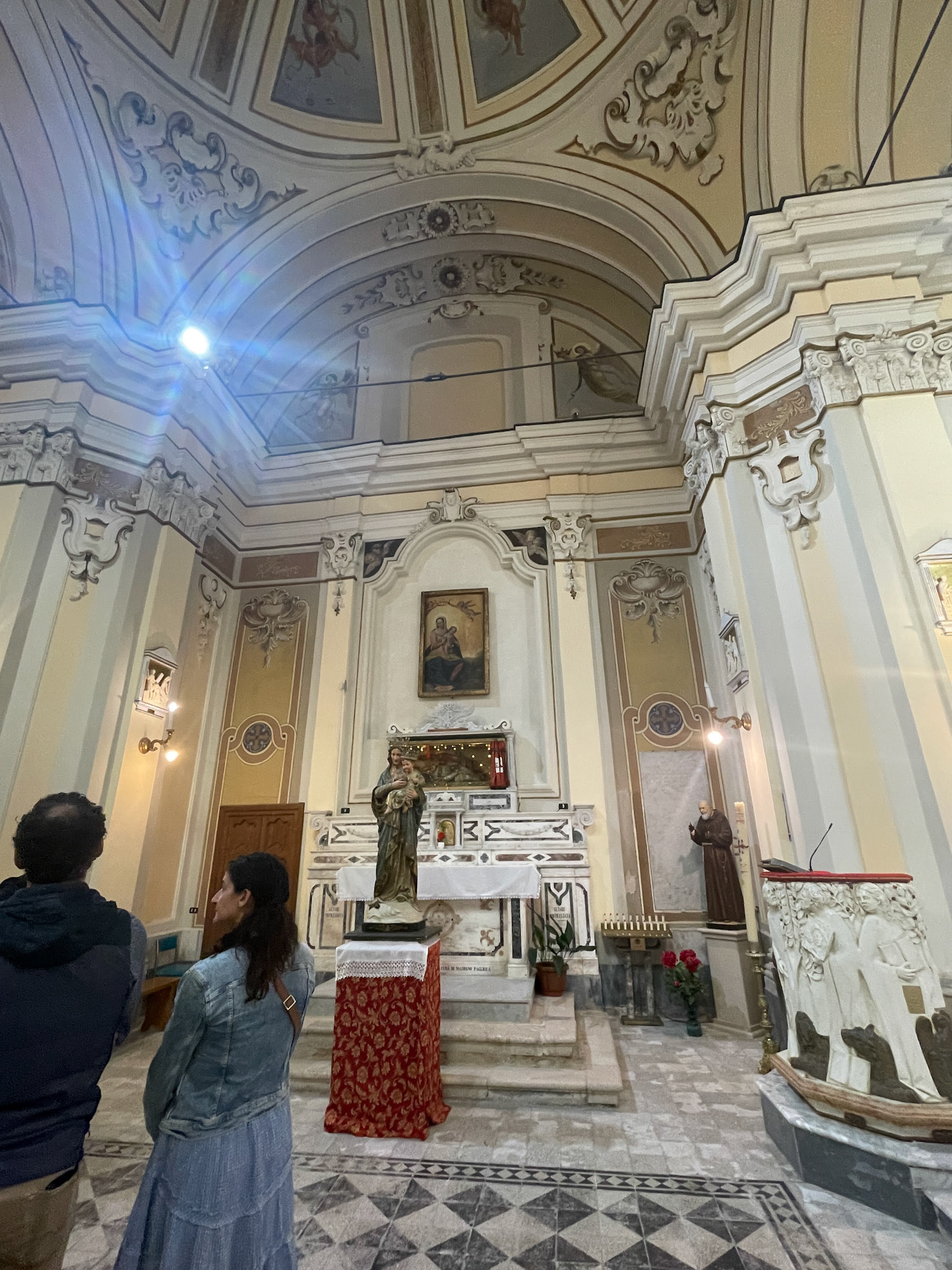
1930s: The sanctuary’s interior gains the paintings and stucco decoration that characterize much of its present appearance. Its richly decorated coffered ceiling is another notable interior feature, although its date is not established here.
1948: Restoration significantly changes the sanctuary bell tower’s appearance.
1980 onward: Following the earthquake, restoration exposes original Romanesque stone pillars inside the sanctuary, deliberately left visible. The claim that the bell tower was reconstructed but left incomplete remains unconfirmed.
When you're there, don't forget to click the Info and Activity links to the right of the image!